01
Building the city
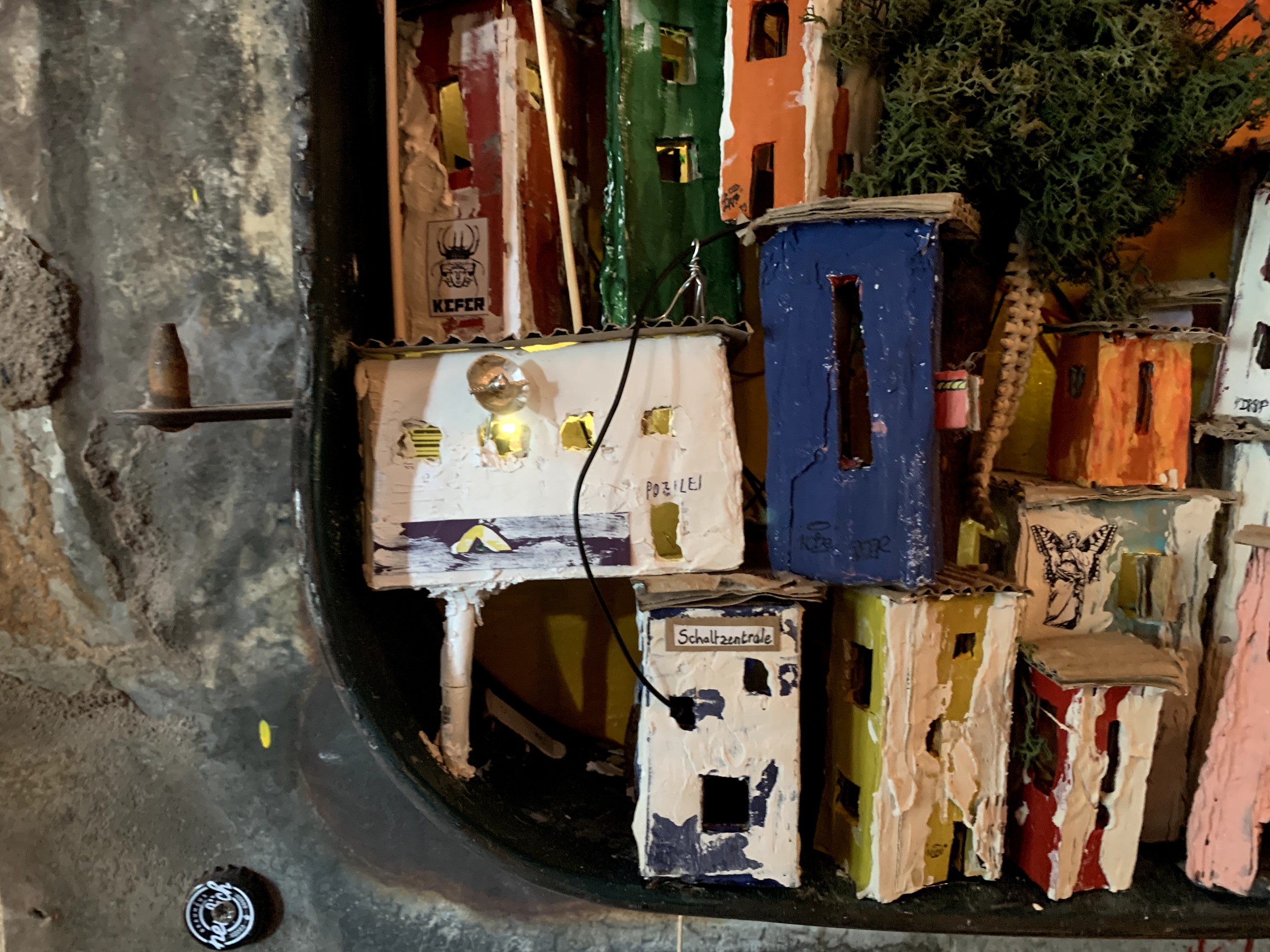
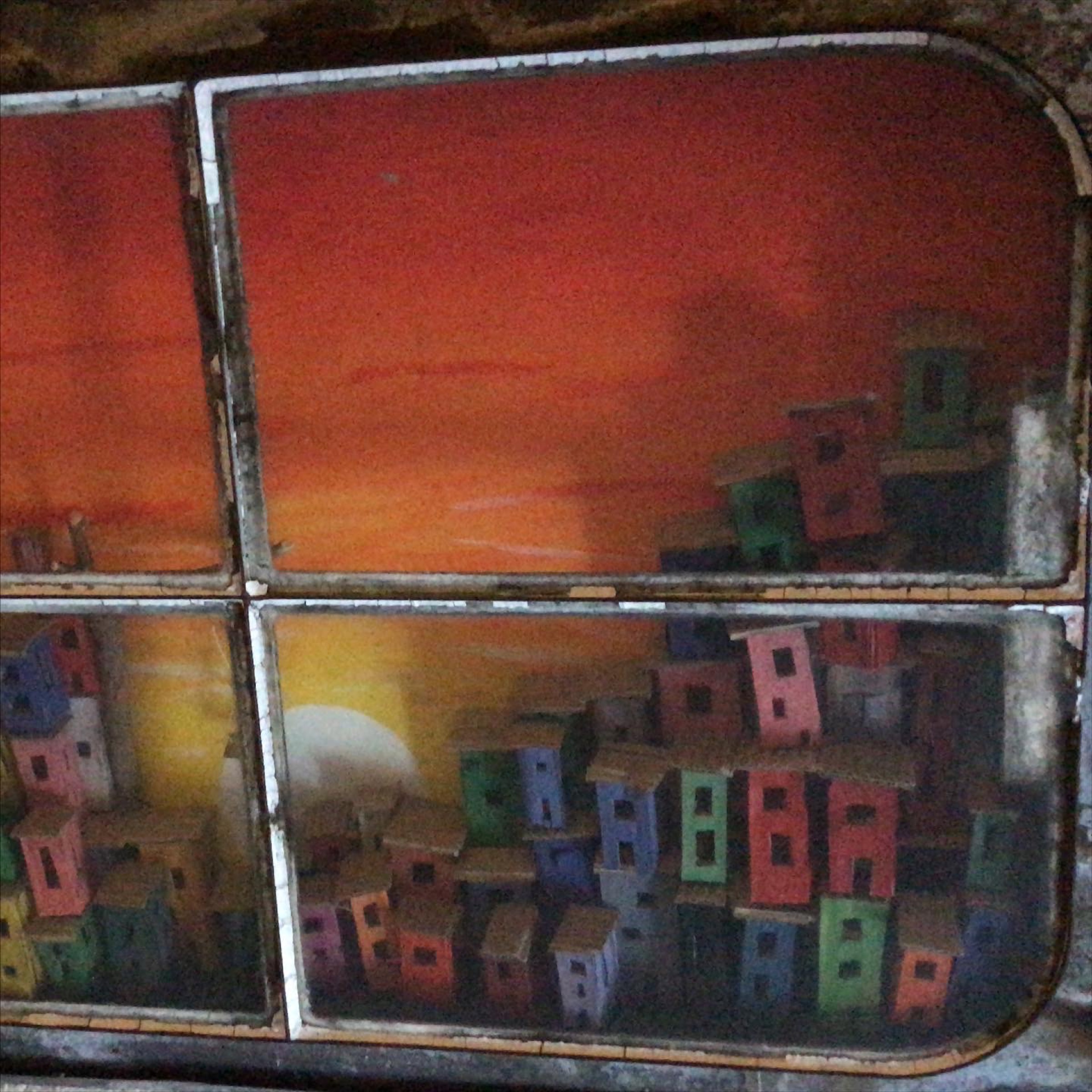
Discarded cardboard becomes a growing collection of individual houses. Their uneven surfaces and improvised shapes remain visible as part of the city’s identity.
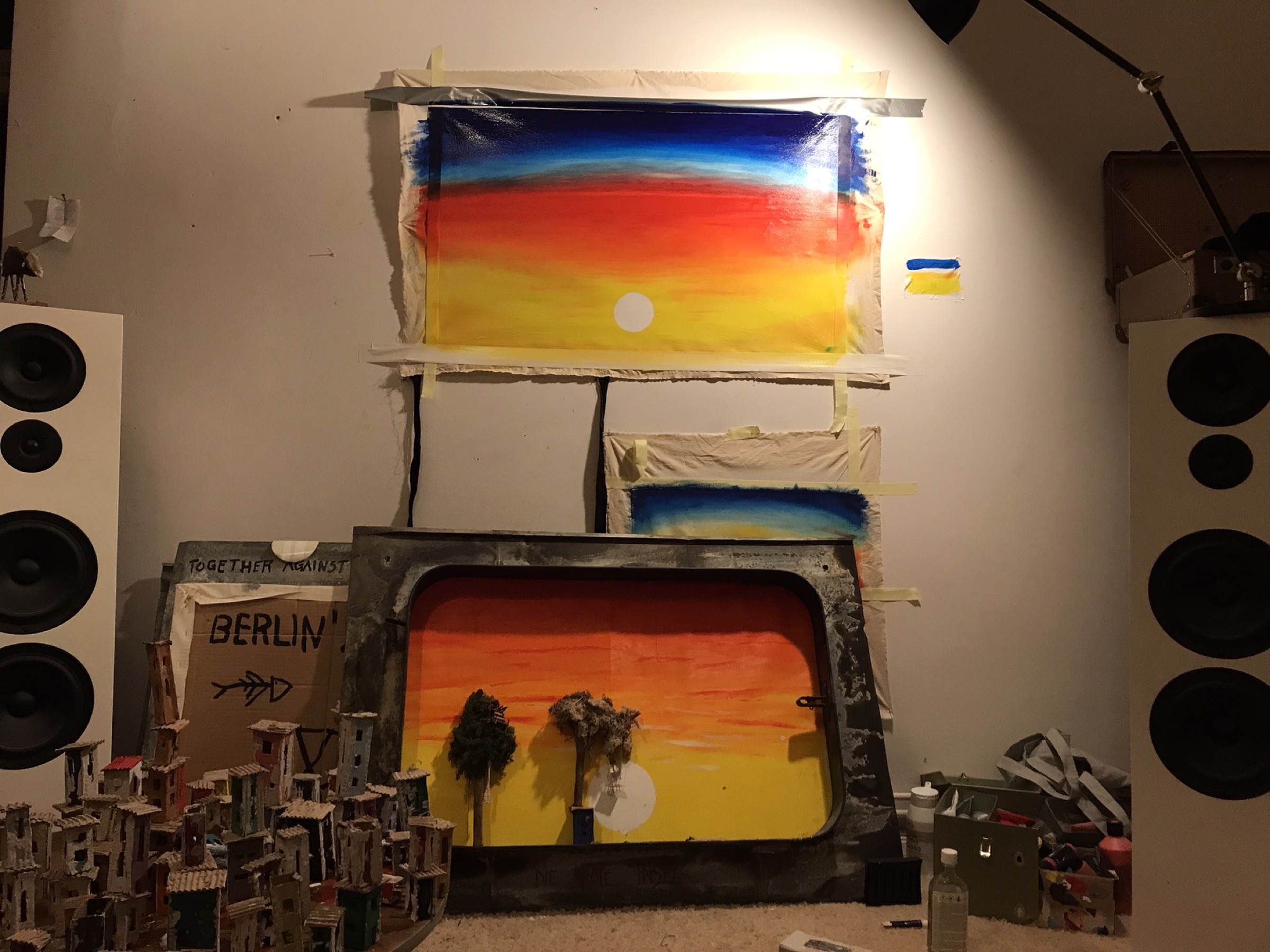
ALLESANDERSSTADT · Window 05
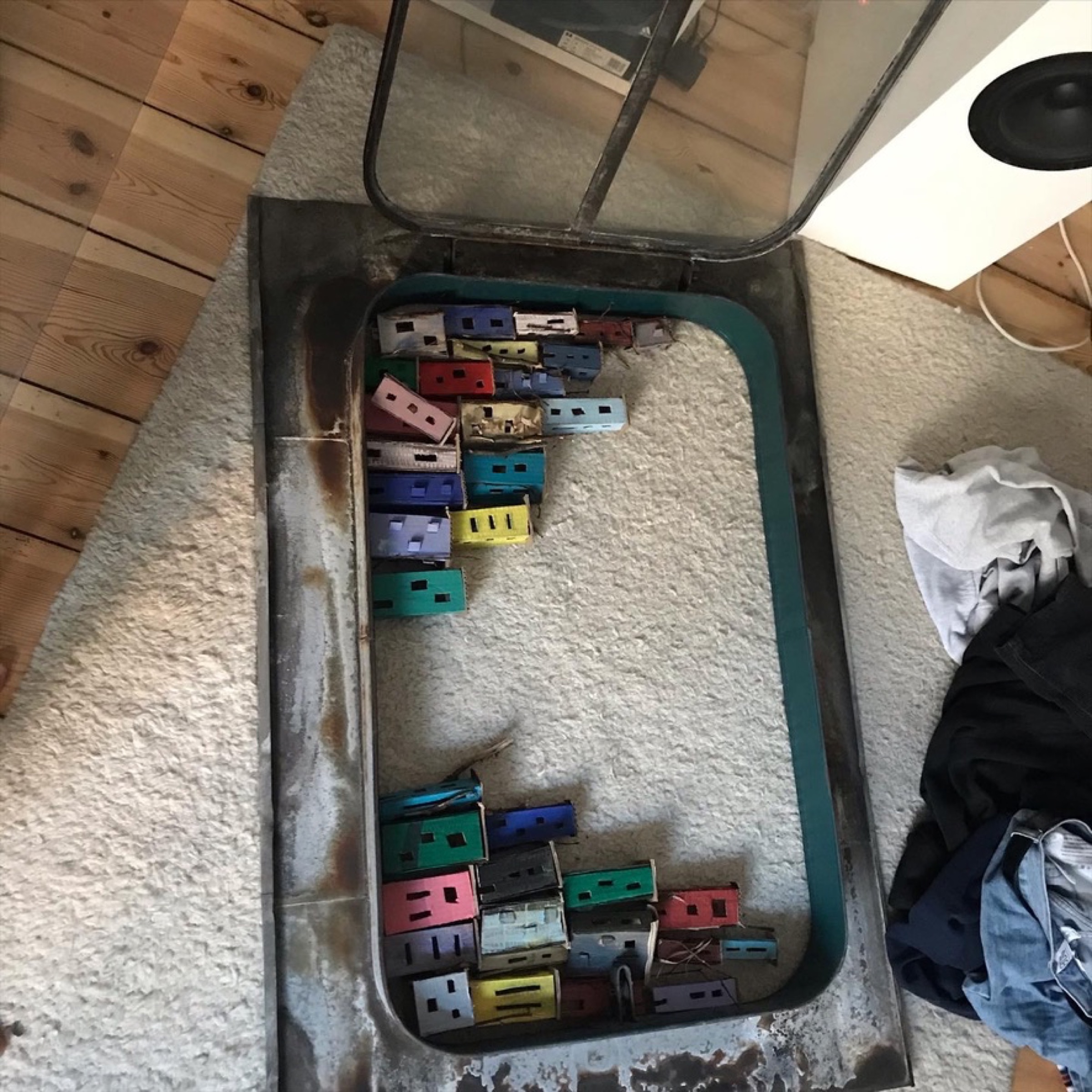
A city in transition : this is its current state, not its final form.
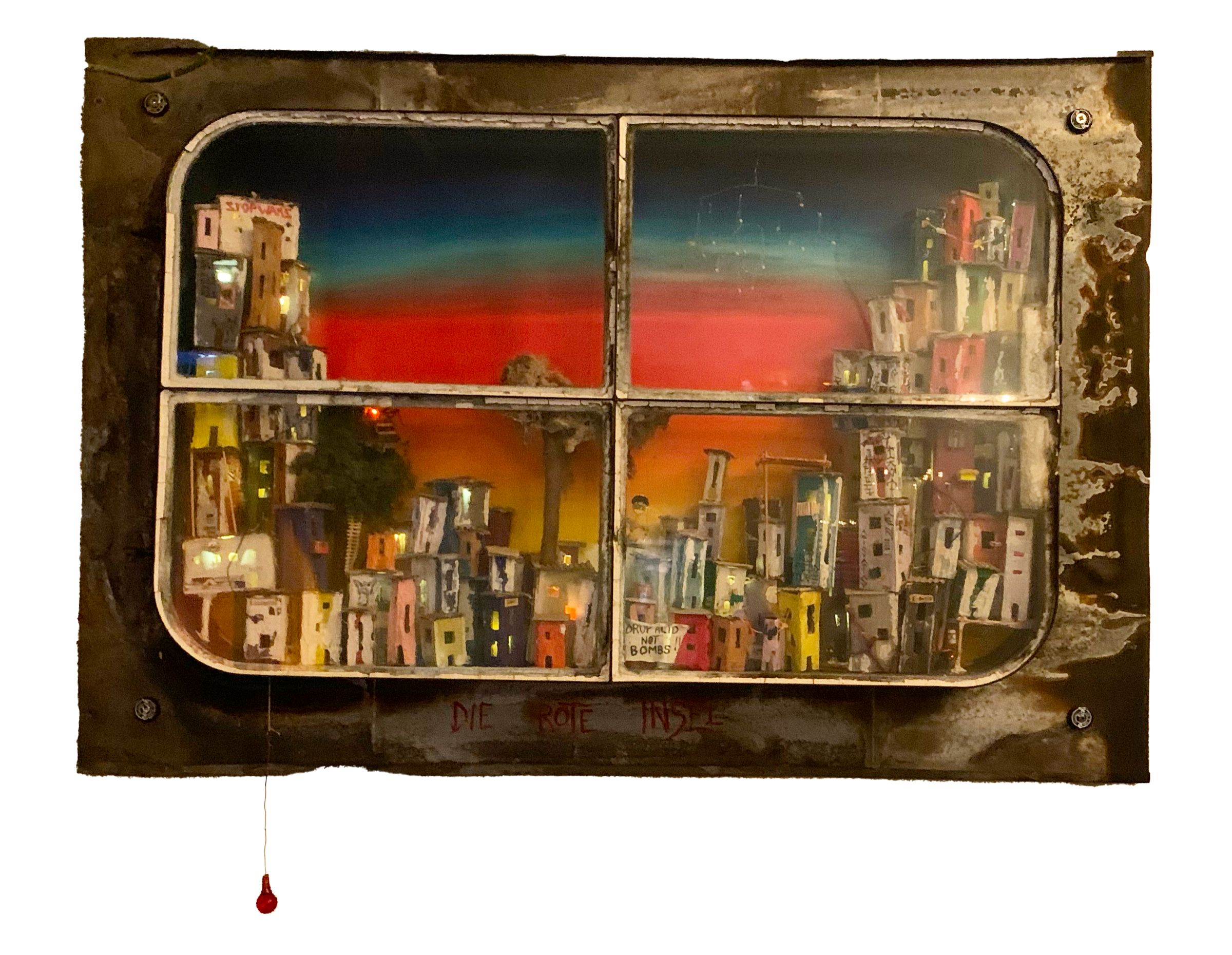
Green Berlin began as Einblick, Ausblick, Durchblick: a dense city built inside a discarded skylight from cardboard, found wood, packaging, wire, cigarette filters, plants, light, and materials collected from Berlin’s streets.
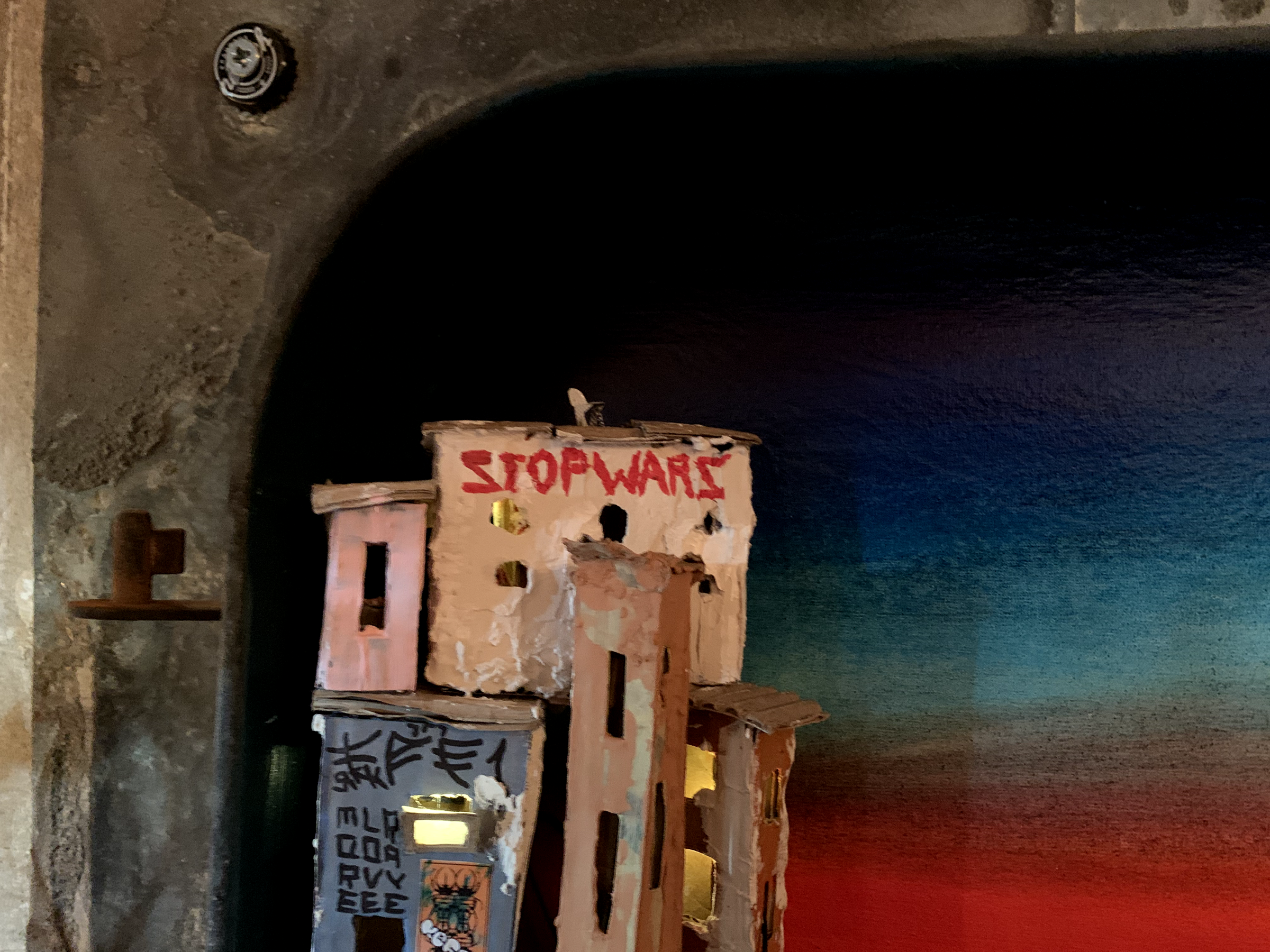
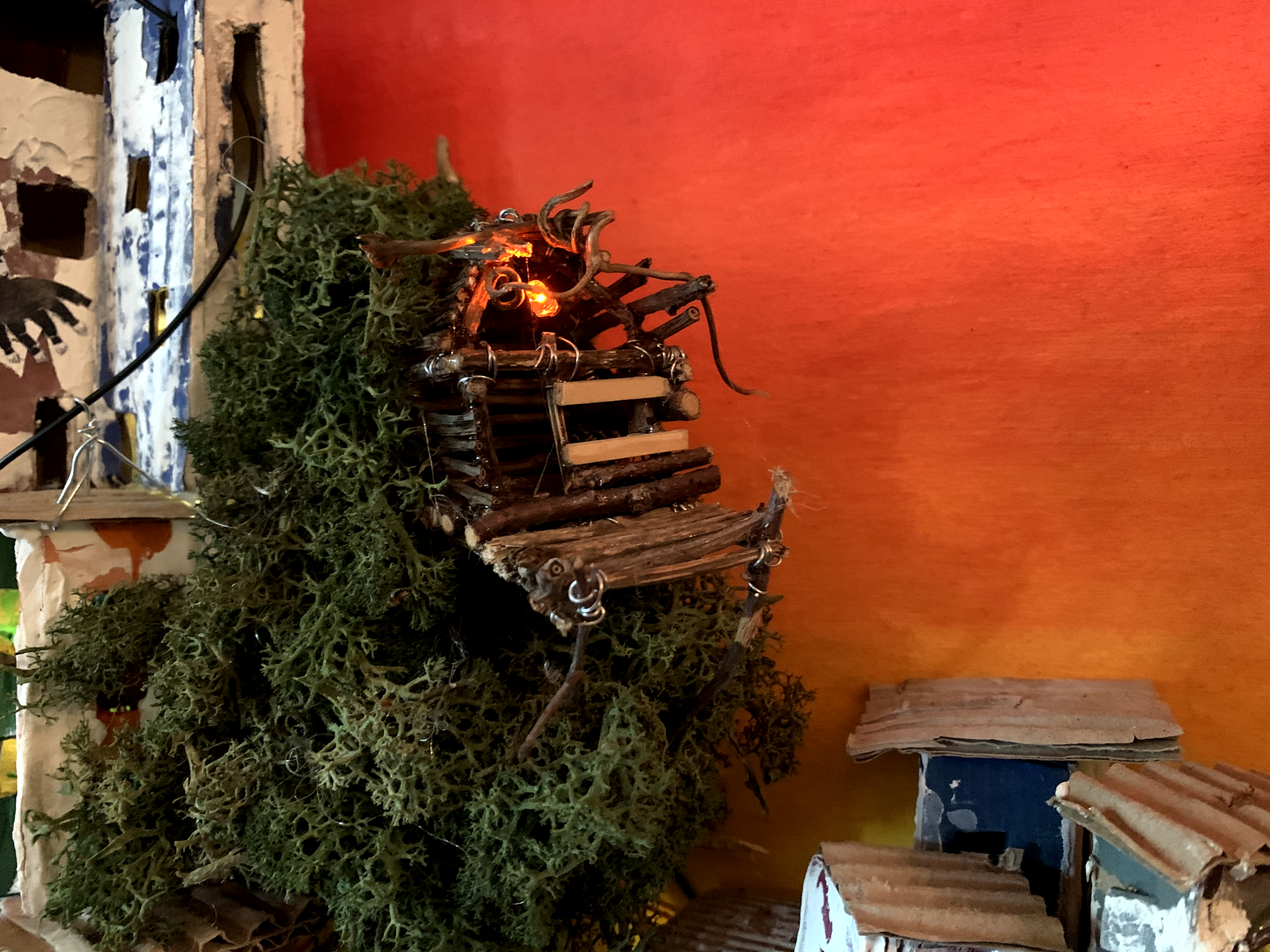
The current version shows an urban landscape caught between density and possibility. Small homes, illuminated windows, a treehouse, cultural signs, and fragments of nature already inhabit the scene. Kotti and STOP WARS appear again in miniature, connecting this window to the wider story of ALLESANDERSSTADT.
The work is not finished. Vegetation will spread much more strongly through the architecture until the green is no longer decoration but an active force reshaping the city.
A100 · Next transformation
The next phase will connect Green Berlin directly to the construction and expansion of the A100. The motorway represents a conflict over what a city prioritises: traffic infrastructure or neighbourhoods, cultural spaces, ecological systems, and places where people can meet.
Inside this window, that conflict will be turned into a speculative alternative. Grey transport space can become a garden, green bridge, cultural route, playground, market, or open stage. The intervention does not present this future as finished: it asks viewers to imagine what Berlin could grow instead.
Earlier state
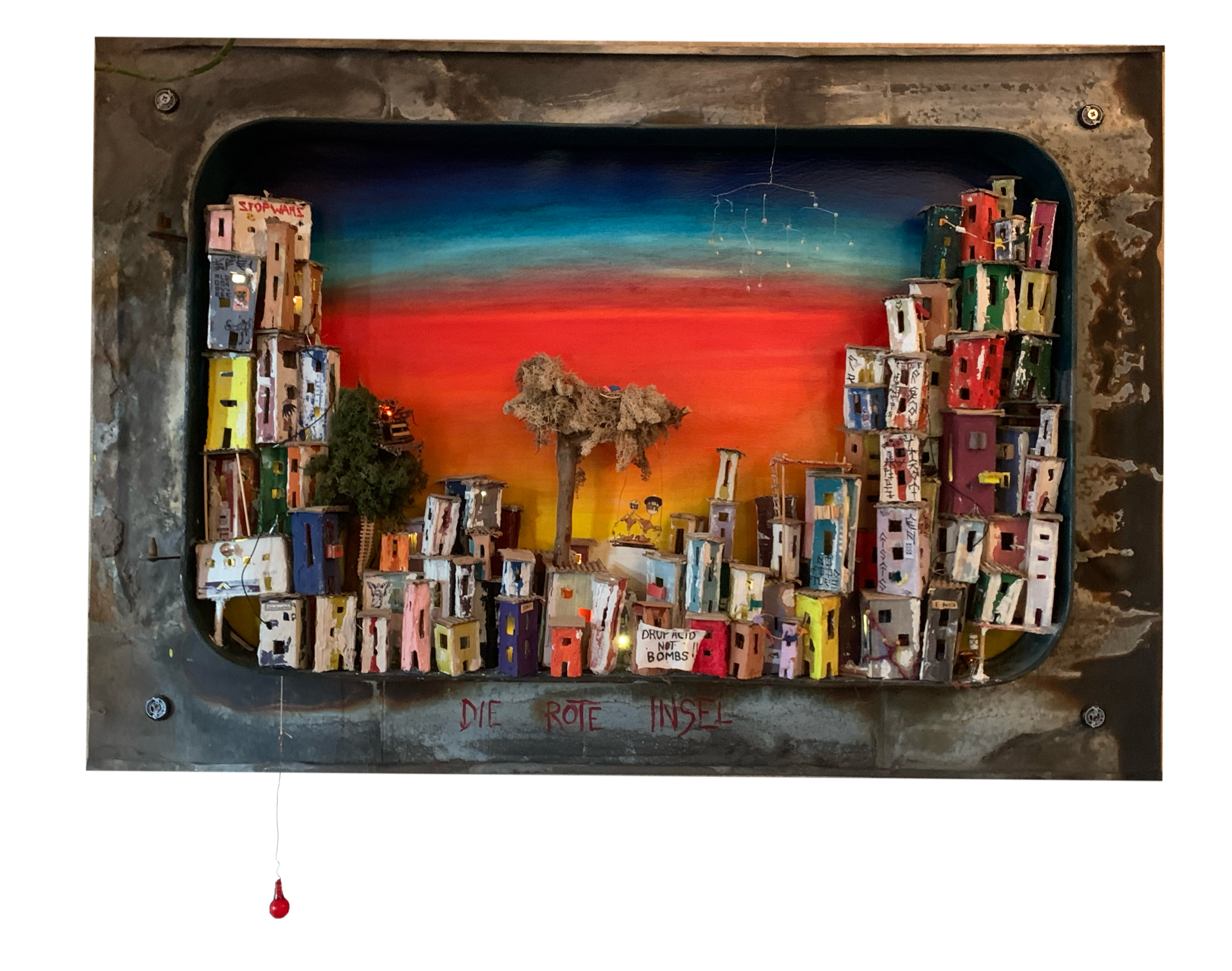
Making process · 10 images
The archive follows the work from cardboard architecture and its first arrangement to electricity, vegetation, cultural details, and the current unfinished city.
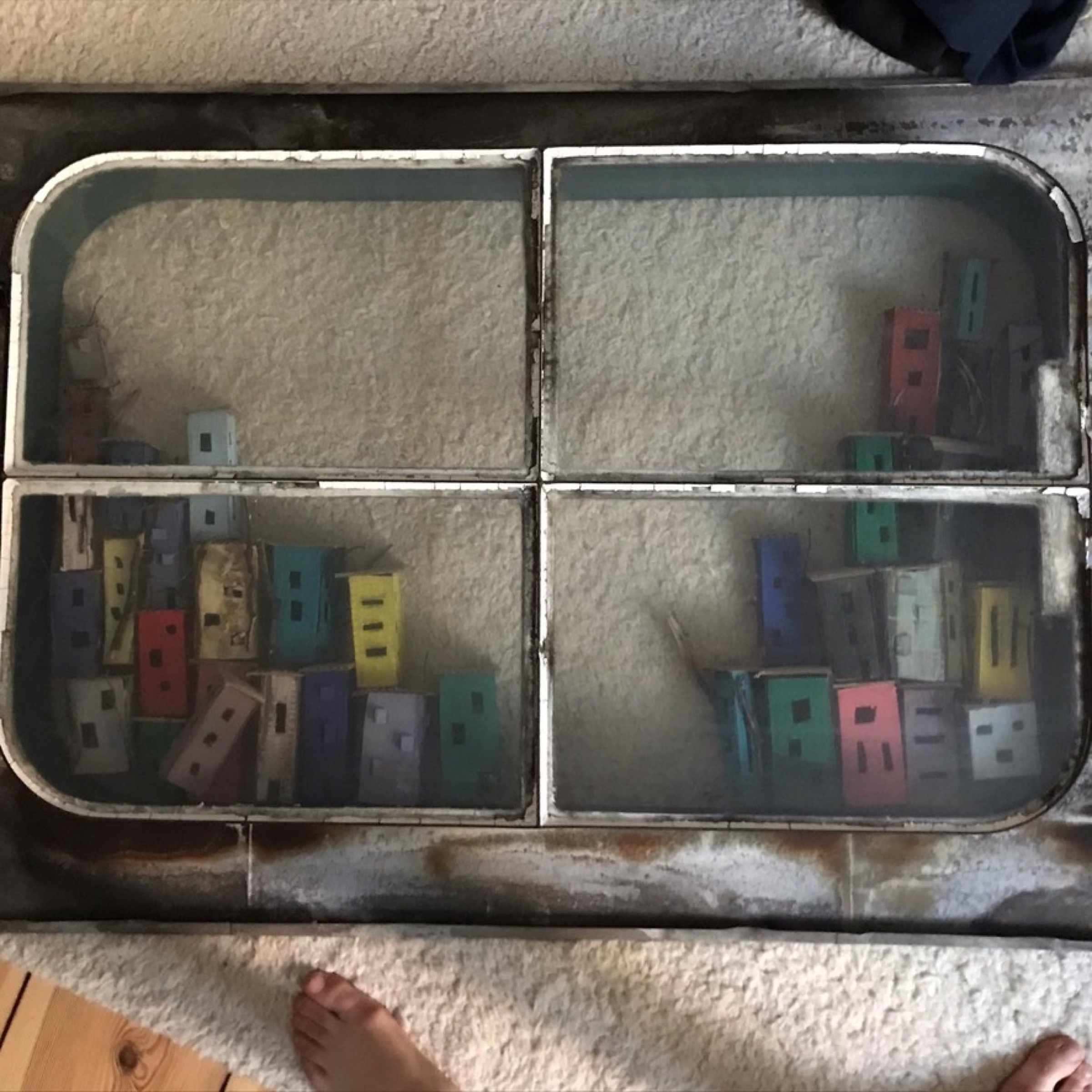
Discarded cardboard becomes a growing collection of individual houses. Their uneven surfaces and improvised shapes remain visible as part of the city’s identity.
The buildings are repeatedly sorted and tested behind the skylight glass. More houses are added while a temporary background begins to establish the depth and atmosphere of the scene.
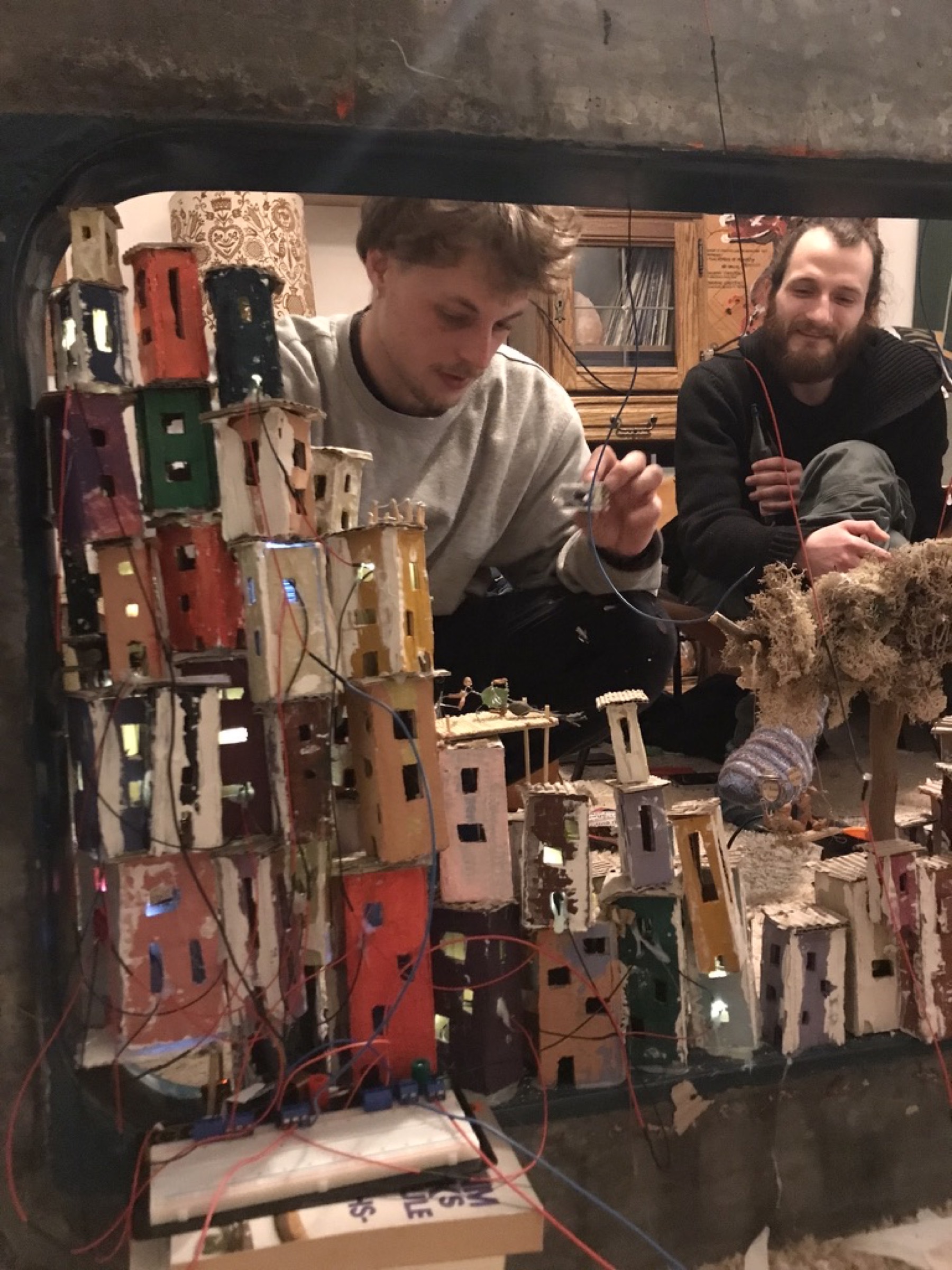
Electricity activates the miniature homes. The first trees enter the composition, beginning a process that will eventually allow vegetation to overtake much more of the constructed city.
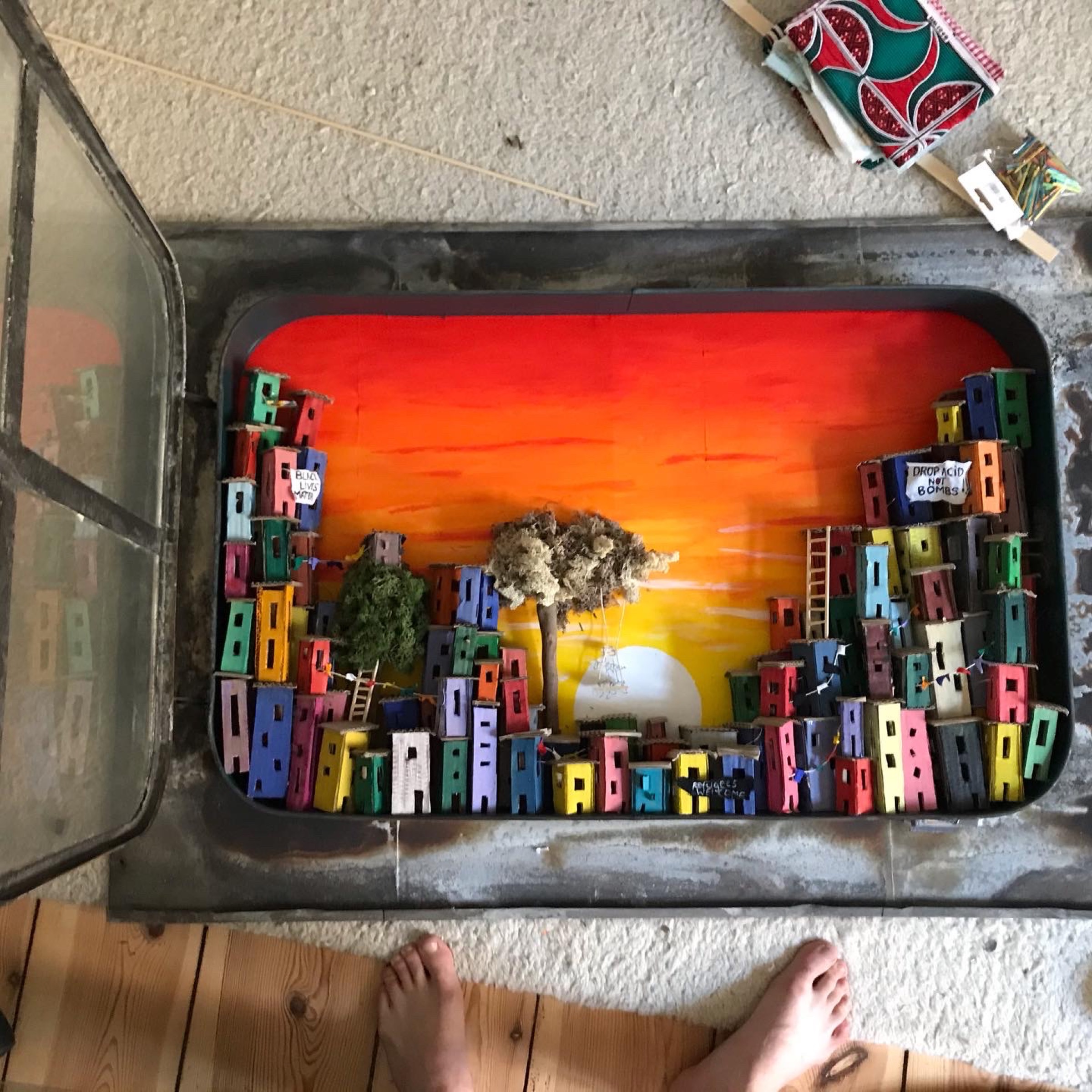
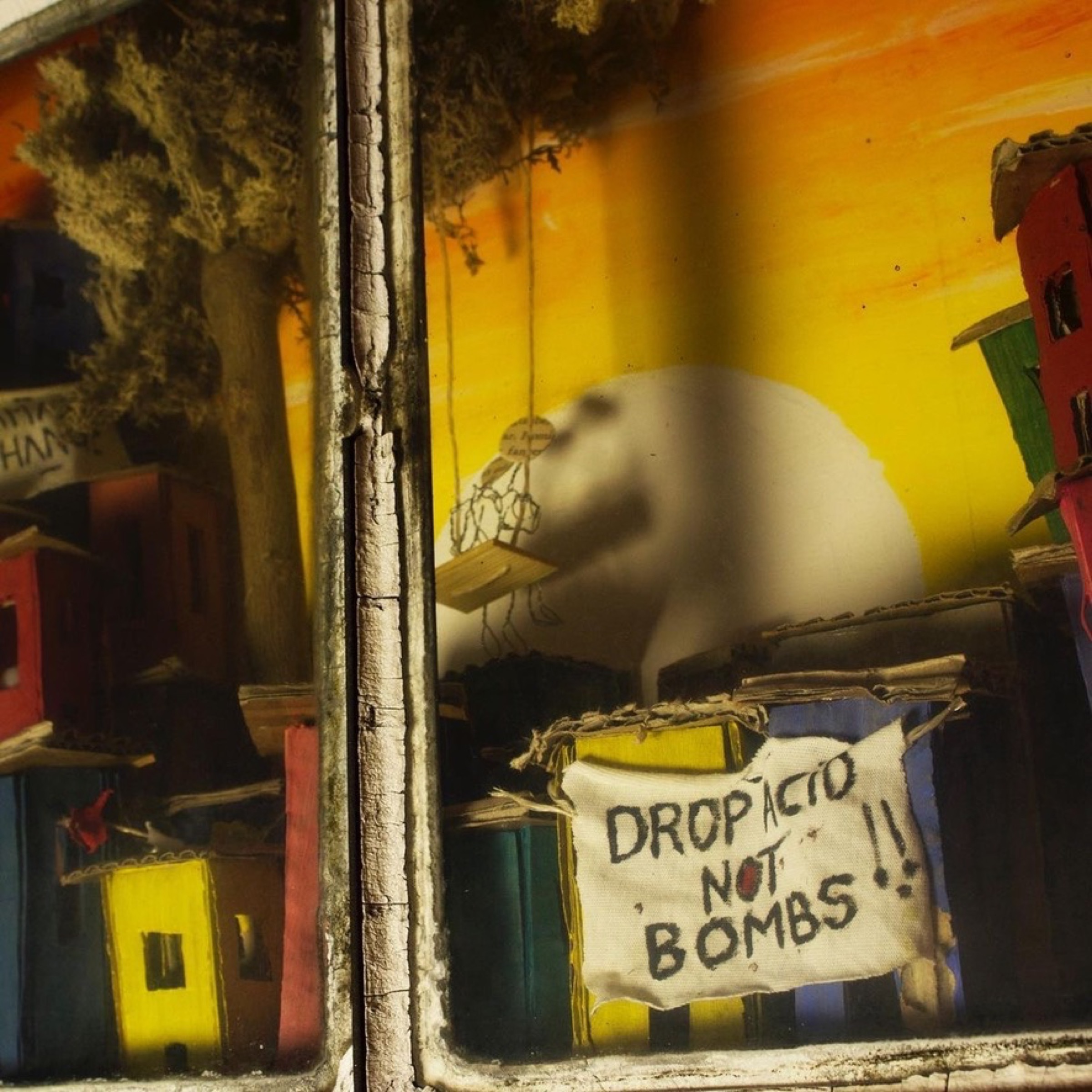
Small references connect Green Berlin to the other ALLESANDERSSTADT windows. Kotti, STOP WARS, and the banner “Drop acid, not bombs” turn the city into an archive of cultural resistance, transformation, and shared imagination.